 Skip to content

Pest Control for Restaurants: How to Prevent Rodents, Cockroaches & Food Safety Risks
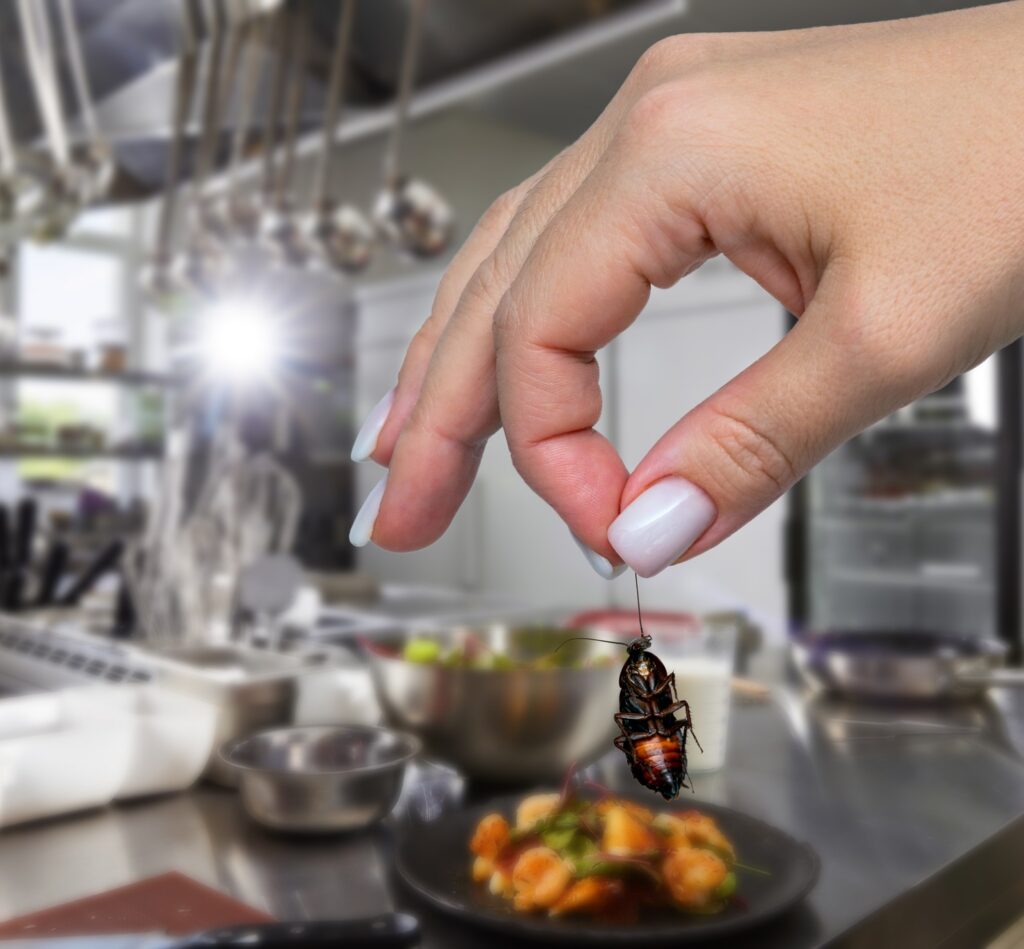
Restaurants offer pests many of the things they need to survive: food, water, warmth, shelter, and frequent deliveries that can create new opportunities for pests to enter a building. A single pest sighting can affect customer confidence, interfere with operations, and create serious food-safety concerns.
That is why pest control for restaurants should be approached as an ongoing prevention program rather than something a restaurant only considers after an infestation becomes visible.
An effective restaurant pest-management program combines inspection, sanitation, exclusion, monitoring, targeted treatment, and documentation. The objective of pest control is not simply to remove the pests you can see. It is to identify why they are present and reduce the conditions that allow them to return.
Why Restaurants Need a Specialized Pest Control Plan
Restaurant environments are different from homes and many other commercial properties.
Kitchens may operate for long hours. Food and packaging arrive throughout the week. Drains and plumbing create moisture. Trash and food waste must constantly be managed. Exterior and delivery doors may open repeatedly throughout the day.
Even a well-maintained restaurant can develop pest pressure if small gaps, spills, moisture problems, waste areas, or delivery practices are overlooked.
Professional pest control for restaurants should therefore focus on prevention as much as treatment. A technician should evaluate how pests may be entering, where they are hiding, what is attracting them, and which areas need continued monitoring.
Common Pests Found in Restaurants
-
Cockroaches
Cockroaches can hide in cracks, equipment voids, storage areas, warm machinery, and locations close to food and water. Because some species remain hidden for much of the day, seeing cockroaches in open areas can be a reason to schedule a more detailed inspection. Treatment also needs to address the food, moisture, and harborage conditions allowing them to survive. -
Mice and Rats
Rodents can enter through surprisingly small openings and may be attracted to storage areas, waste zones, loading docks, food preparation spaces, and gaps around utility lines. Droppings, gnaw marks, nesting material, damaged packaging, or unusual sounds are all reasons for restaurant managers to investigate quickly. -
Flies
Fruit flies, drain flies, house flies, and other flying insects may develop around drains, organic buildup, beverage stations, trash, standing moisture, or food waste. Treating adult flies alone may provide only temporary relief when the breeding source remains. -
Ants and Stored-Product Pests
Ants may enter kitchens and storage spaces looking for moisture or food. Stored-product pests can sometimes arrive with dry goods and packaging. Inspecting deliveries, rotating inventory, maintaining clean shelving, and properly storing food can help reduce these risks.
What an Effective Pest Control for Restaurants Program Should Include
1. Thorough Inspection
A pest control for for restaurants should begin by identifying pest activity, entry routes, harborage areas, moisture sources, sanitation concerns, and operational factors contributing to the problem.
Inspection may include kitchens, food-storage rooms, dining areas, utility spaces, exterior walls, loading areas, waste areas, drains, and other high-risk locations.
2. Integrated Pest Management
Integrated Pest Management, commonly called IPM, combines inspection, prevention, monitoring, exclusion, sanitation recommendations, and targeted treatment.
Rather than depending on routine pesticide applications alone, IPM focuses on correcting the environmental and structural conditions that allow pest populations to develop.
Griggs & Browne identifies IPM as part of its approach and describes commercial service as beginning with an inspection of pests, harborage areas, entry routes, and facility operations.
3. Entry-Point and Exclusion Checks
Door sweeps, wall penetrations, damaged screens, utility openings, cracks, and gaps around pipes can provide insects and rodents with access to a restaurant.
Closing these entry routes can be one of the most valuable long-term pest-prevention measures.
4. Sanitation and Moisture Control
Food debris, grease accumulation, overflowing waste, leaking plumbing, standing water, and clutter can all increase pest pressure.
Restaurant teams should pay particular attention to drains, spaces underneath equipment, food-storage areas, beverage stations, receiving areas, and waste-handling locations.
5. Monitoring and Documentation
Pest activity becomes easier to manage when observations are documented over time.
Monitoring devices, technician findings, service reports, and corrective-action recommendations can help restaurant managers recognize patterns and determine whether changes to the pest-management program are needed.
How Often Should Restaurants Schedule Pest Control?
There is no single treatment frequency that is appropriate for every restaurant.
The right schedule depends on factors such as pest pressure, building condition, kitchen volume, previous pest activity, waste management, surrounding environment, and operational practices.
Food-service facilities with greater pest pressure may require more frequent inspections and monitoring than lower-risk commercial properties.
Griggs & Browne’s own pest control guidance identifies commercial and food-service environments among properties that may require frequent monitoring, while emphasizing that the proper schedule depends on the individual situation.
Warning Signs Restaurant Owners Should Not Ignore
Droppings, gnaw marks, damaged packaging, live insects during operating hours, recurring fly activity, egg cases, unusual odors, or repeated pest sightings around drains and storage spaces should be investigated quickly.
Employees are also an important part of prevention. Kitchen staff, receiving teams, cleaners, and closing-shift employees may notice pest activity before customers or managers do.
Creating a simple process for employees to report pest sightings can help restaurant management act before a small issue becomes more difficult to control.
Restaurant Pest Prevention Starts With the Entire Team
A professional pest control provider can inspect, monitor, treat, and recommend corrective actions, but day-to-day restaurant practices are equally important.
Food should be properly stored, spills should be cleaned promptly, inventory should be rotated, drains should be maintained, waste should be removed consistently, and incoming deliveries should be checked.
Management should also make sure pest control recommendations reach the employees responsible for sanitation, maintenance, receiving, storage, and waste management.
Why Choose Griggs & Browne for Pest Control for Restaurants in New England?
For restaurants in Southeastern Massachusetts, Cape Cod, Rhode Island, and Connecticut, Griggs & Browne provides commercial pest-management services built around on-site inspections, customized plans, flexible scheduling, detailed reporting, and discreet service. The company has served New England since 1910 and provides commercial pest management for food-service businesses throughout its service territory.
If your restaurant is dealing with rodents, cockroaches, flies, ants, or another pest concern, Griggs & Browne can inspect the property and recommend a pest-management program based on the conditions found at your facility.
For service, contact the office serving your area: Massachusetts/Cape Cod, Rhode Island, or Connecticut.
