

Pest Control for Apartments: A Complete Guide for Tenants & Property Managers in New England
Managing pests in an apartment building is very different from treating a single-family home. Cockroaches, mice, bed bugs, ants, and other pests can move between apartments through shared walls, plumbing lines, utility openings, hallways, basements, and other common areas. That is why effective pest control for apartments often requires a coordinated approach involving residents, property managers, maintenance teams, and professional pest control technicians.
For apartment owners and tenants in Massachusetts, Rhode Island, Connecticut, Cape Cod, Plymouth, Providence, Waterford, Fall River, New Bedford, and surrounding New England communities, early action is especially important. Treating one unit may not solve the problem if pests are entering from another apartment or traveling through the building.
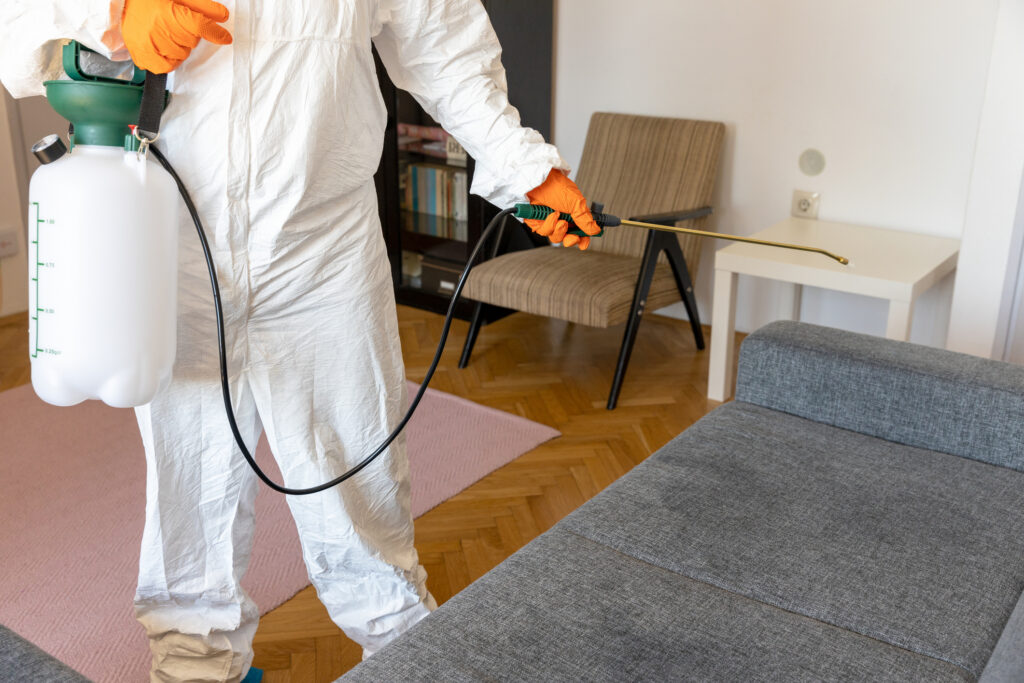
Why Pest Control Is Different in Apartment Buildings
Apartment complexes contain numerous interconnected spaces. Kitchens and bathrooms may share plumbing walls, while electrical wiring, heating systems, utility chases, storage rooms, and basements can provide concealed pathways for pests.
For example, a cockroach infestation discovered in an apartment in Providence, RI, may not originate inside that unit. Likewise, mice found in a property in Plymouth or New Bedford, MA, may be entering through exterior gaps before moving throughout the building.
Professional pest control for apartments therefore focuses on identifying both the visible infestation and the conditions allowing pests to spread.
Common Pests Found in Apartments
Cockroaches
Cockroaches are a frequent problem in multi-family properties because they can hide behind appliances, inside cabinets, around plumbing, and within wall voids.
Food residue, moisture, leaking pipes, garbage, and clutter can support an infestation. Because cockroaches can move between units, apartment buildings in densely populated areas such as Providence, Cranston, Warwick, Brockton, Fall River, and New Bedford may require inspection of more than one apartment.
Mice and Rats
Rodents can enter through small structural openings and travel between units through walls, ceilings, basements, and utility areas.
Droppings, scratching noises, gnaw marks, nesting material, and damaged food containers can indicate rodent activity. Properties in Connecticut, Rhode Island, Southeastern Massachusetts, and Cape Cod can also see increased indoor rodent activity as temperatures fall.
Bed Bugs
Bed bugs can be introduced into apartments through luggage, used furniture, clothing, visitors, or belongings. Once established, they may spread into nearby units.
Because bed bugs hide in mattress seams, furniture joints, baseboards, cracks, and other small spaces, an experienced apartment exterminator may need to inspect adjoining units when determining the extent of an infestation.
Ants and Other Crawling Pests
Apartment properties may also experience ants, spiders, fleas, pantry pests, flies, and other insects. Carpenter ants can be particularly relevant in New England properties where moisture-damaged wood provides suitable conditions.
How Does Professional Pest Control for Apartments Work?
Good pest control for apartments starts with inspection rather than automatically applying pesticides.
A professional apartment exterminator may assess:
- The pest species involved
- Where activity is concentrated
- Entry points and structural openings
- Plumbing and moisture problems
- Food and trash management
- Adjacent apartments and common areas
- Basements, utility rooms, laundry rooms, and storage areas
- Previous infestation history
Depending on the findings, treatment can involve traps, bait stations, gel baits, monitoring devices, targeted applications, exclusion recommendations, sanitation improvements, and follow-up visits.
The strategy required for an apartment complex in Cape Cod or Barnstable County, for example, may differ from a multi-unit building in Providence, RI, or Waterford, CT, because the structure, environment, pest pressure, and infestation history can all vary.
Why Integrated Pest Management Matters in Apartment Complexes
Integrated Pest Management, commonly called IPM, focuses on long-term pest prevention rather than simply reacting to visible pests.
A successful program may combine professional monitoring with:
- Sealing cracks and utility openings
- Repairing water leaks
- Improving trash handling
- Removing food sources
- Reducing clutter
- Monitoring pest activity
- Treating only where necessary
- Educating residents about prevention
This approach is especially valuable for property managers responsible for apartment communities in Massachusetts, Rhode Island, and Connecticut, because a building-wide problem cannot always be corrected by repeatedly treating individual apartments.
Should Adjacent Apartments Be Treated Too?
Not automatically, but neighboring units may need to be inspected.
If cockroaches, bed bugs, or rodents are moving through shared walls or utility systems, restricting treatment to one unit may allow the problem to return.
An apartment exterminator should determine how widespread the infestation is before recommending treatment. In larger buildings in areas such as Plymouth, Taunton, Fall River, Providence, Warwick, Cranston, or Waterford, this may mean inspecting apartments above, below, or next to the affected unit.
Who Is Responsible for Pest Control in an Apartment?
Pest-control responsibility can depend on state law, local housing requirements, lease terms, and the cause of the infestation.
Landlords and property managers may have responsibilities involving building conditions and larger infestations, while tenants may be expected to maintain sanitation, report pest activity promptly, and follow treatment-preparation instructions.
Residents in Massachusetts, Rhode Island, or Connecticut should check their lease and applicable local housing regulations when responsibility is unclear.
How Can Tenants Help Prevent Apartment Pests?
Even when professional treatment is required, residents can make the property less attractive to pests.
Keep food in sealed containers, clean crumbs and spills promptly, remove trash regularly, avoid excessive clutter, report leaking faucets or pipes, and tell management about pest sightings early.
Residents should also avoid applying multiple DIY pesticide products before professional service. Uncoordinated treatments can interfere with a building-wide pest-management plan.
How Often Should Apartment Pest Control Be Done?
There is no universal treatment schedule.
A small apartment building in Falmouth or Sandwich, MA, with little pest activity may need a different program from a large complex in Providence or Cranston, RI, experiencing recurring cockroach or rodent problems.
Treatment frequency should depend on the pest species, building size, infestation history, structural conditions, season, sanitation, and monitoring results.
Properties with recurring problems may benefit from scheduled inspections by a professional apartment exterminator and preventive pest management rather than waiting until residents report another infestation.
When Should You Call an Apartment Exterminator?
Contact a professional apartment exterminator when:
- Pests repeatedly return after DIY treatment
- Multiple apartments report the same problem
- Cockroaches are appearing during the daytime
- Rodent droppings or gnawing are present
- Bed bugs are suspected
- Pest activity is occurring in shared areas
- Residents are reporting increasing sightings
Early inspection can help determine whether the issue is confined to one apartment or affecting a larger section of the property.
Frequently Asked Questions About Pest Control for Apartments
Yes. Cockroaches, rodents, bed bugs, ants, and other pests can move through plumbing penetrations, wall voids, hallways, utility systems, and shared spaces.
Yes. Good sanitation reduces pest pressure but cannot prevent pests from entering through neighboring units, structural gaps, deliveries, visitors, or common areas.
It depends on the pest and severity of the infestation. Some problems can improve quickly, while established cockroach, bed bug, or rodent infestations may require monitoring and multiple visits.
Not necessarily. A professional inspection can determine whether treatment should involve one unit, adjacent apartments, common areas, or a larger portion of the property.
Professional Pest Control for Apartments in MA, RI & CT
Property managers searching for reliable pest control for apartments in Southeastern Massachusetts, Cape Cod and the Islands, Rhode Island, and Connecticut can turn to Griggs & Browne for professional local pest management. The company serves communities throughout its New England coverage area, including Plymouth, Brockton, Fall River, New Bedford, Taunton, Barnstable, Hyannis, Falmouth, Sandwich, Providence, Warwick, Cranston, Pawtucket, Newport, Waterford, and surrounding areas.
Griggs & Browne has served New England since 1910 and provides residential and commercial pest control, including services for apartment complexes. Its local coverage extends throughout Southeastern MA, Cape Cod, RI, and CT, giving property managers access to technicians familiar with the region’s seasonal pest problems.
Whether you manage a small rental property in Plymouth, an apartment complex in Providence, housing in Cape Cod, or multi-family properties in Connecticut, a professional inspection can identify where pests are entering, how they are spreading, and what needs to be corrected.
Contact Griggs & Browne today to schedule an inspection and discuss a customized apartment pest-control plan for your property.