

Rodent Pest Control Services: How Professional Rodent Control Services Get Rid of Mice and Rats
Mice and rats are easy to underestimate. You may hear scratching in a wall, notice a few droppings under the sink, or find a chewed food package and assume one trap will solve the problem. But rodents often travel through hidden areas, nest behind walls or in attics, and continue entering through small gaps around a property.
Professional rodent pest control services are designed to address more than the rodent you happen to see. A professional approach to pest control looks at where rodents are active, how they are getting inside, what is helping them stay, and what needs to change to reduce the chance of another infestation.
If you are dealing with recurring mice or rats, understanding how professional rodent control services work can help you decide when it is time to call an exterminator.
What Are Rodent Pest Control Services?
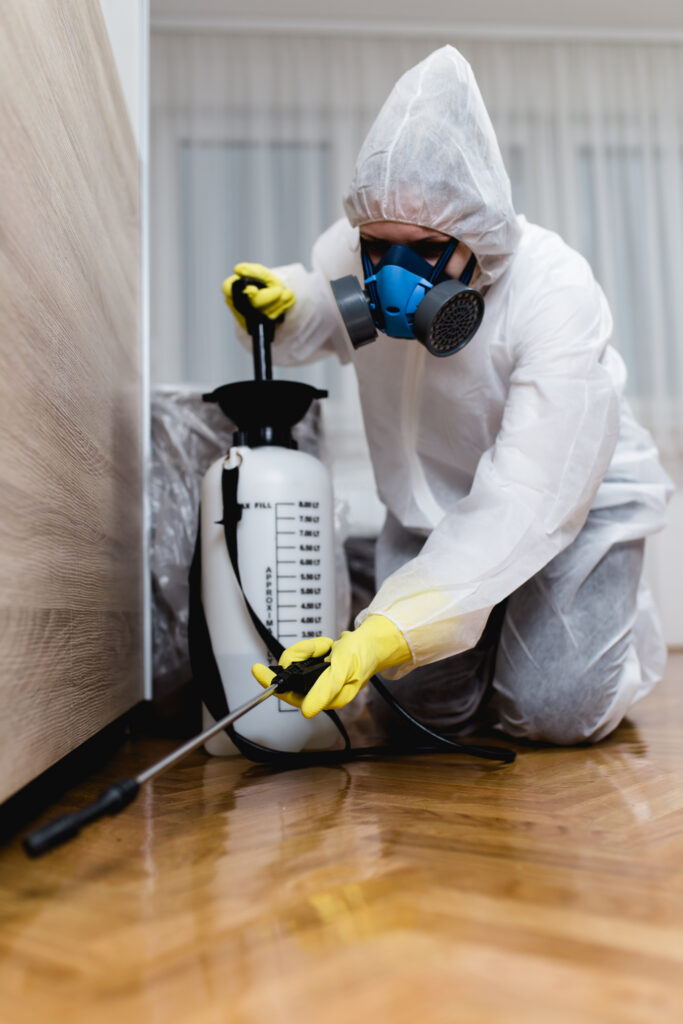
Rodent pest control services are professional services used to identify, control, remove, and help prevent infestations of mice and rats in homes and businesses.
A complete rodent-control plan usually begins with an inspection. The technician looks for evidence of activity, likely nesting areas, travel routes, food and water sources, and openings that rodents may be using to enter the building.
Based on what is found, the control plan may include trapping, professionally placed bait systems, exclusion work, sanitation recommendations, and follow-up monitoring. The exact approach depends on the rodent involved, the size of the infestation, the layout of the property, and whether the problem is new or recurring.
The goal is not simply to remove one mouse or rat. Effective control should address the conditions that are allowing the problem to continue.
One sign does not always reveal how large the infestation is. A professional inspection can help determine where rodents are active and where they are entering.
What Happens During Professional Rodent Pest Control?
The strongest rodent-control programs follow a process rather than relying on a single trap or treatment.
-
1. Property Inspection
The first step is to identify where rodents are living, traveling, and entering the property. A technician may inspect foundations, utility penetrations, doors, garages, basements, crawlspaces, attics, kitchens, storage areas, and other likely access points. The inspection also helps determine whether the problem involves mice, rats, or another pest because different rodents can require different control strategies. -
2. Identification of Activity and Entry Points
Removing rodents without finding their access points can lead to the same problem returning later. A professional looks for gaps around pipes, cracks, damaged vents, openings near doors, foundation gaps, and other structural areas that may provide access. -
3. Targeted Rodent Control
Once the level and location of activity are understood, the technician can select appropriate control methods for the property. Depending on the situation, that may involve trapping, secured bait stations, or other professional measures. Treatment should be based on the actual infestation rather than a one-size-fits-all approach. -
4. Rodent Exclusion
Exclusion is the process of closing or correcting entry points that rodents use to get inside. This is one of the most important parts of long-term rodent control service. If mice or rats can continue entering through the same openings, removing the existing animals may provide only temporary relief. Exclusion may involve sealing small gaps, correcting openings around utilities, improving door seals, or identifying larger structural repairs that should be completed. Griggs & Browne's existing Connecticut rodent-control service follows this inspection, treatment, entry-point, and exclusion-focused approach -
5. Monitoring and Prevention
Established infestations may require follow-up. Monitoring allows technicians to check whether activity is decreasing, adjust treatment when necessary, and identify conditions that could attract rodents again. Property owners may also receive recommendations involving food storage, waste handling, clutter reduction, moisture, vegetation, or other factors that provide rodents with food, water, or shelter.
Why DIY Rodent Control Often Falls Short
Store-bought traps can be useful when the problem is very limited, but they do not always address the source of an infestation.
One common problem is treating the rodent without treating the building. Catching a mouse does not close the gap it used to enter. If that opening remains accessible, another rodent may simply take its place.
DIY control can also miss hidden nesting areas. Rodents can travel through wall voids, attics, crawlspaces, basements, garages, and other spaces that are difficult to inspect without experience.
Another challenge is underestimating the size of the problem. Seeing one mouse does not necessarily mean there is only one mouse.
If activity continues after traps have been placed, droppings keep reappearing, or rodents return season after season, a professional inspection is usually the better next step.
Residential vs. Commercial Rodent Control
Rodent problems can occur in almost any building, but the priorities are different for homes and businesses.
Residential Rodent Control
In homes, mice and rats often seek food, warmth, and protected nesting areas. Garages, basements, attics, crawlspaces, kitchens, and storage areas are common places for activity.
Residential rodent control services focus on identifying active areas, removing the infestation, and finding the access points that need to be corrected.
Commercial Rodent Control
For businesses, rodents can create additional concerns around food storage, sanitation, inventory, customer areas, and building maintenance.
Restaurants, food-service operations, multi-family properties, offices, retail locations, healthcare facilities, and property-management companies may require a documented, ongoing rodent-management program rather than a one-time response.
Griggs & Browne currently provides commercial rodent programs for food service, healthcare, and multi-family properties in Connecticut.
When Should You Call a Rodent Exterminator?
Consider contacting a professional when:
- Droppings continue to appear after cleaning.
- You hear repeated scratching in walls, ceilings, or attics.
- Traps are not reducing activity.
- Mice or rats are entering kitchens or food-storage areas.
- You find gnawing damage to building materials or wiring.
- Rodents return every fall or winter.
- You cannot identify how they are getting inside.
- A rodent problem is affecting a restaurant, rental property, office, or other business.
The earlier the source of the problem is identified, the easier it is to build a practical control plan around the property.
Professional Rodent Pest Control Services in Massachusetts, Rhode Island, Connecticut, and Cape Cod
If mice or rats keep coming back, treating only what you can see may not solve the entire problem. Griggs & Browne provides professional rodent pest control services for homes and businesses across Connecticut, Rhode Island, Cape Cod, and Southeastern Massachusetts.
Griggs & Browne has served New England since 1910. Its current rodent-control approach begins with professional inspection and combines targeted treatment with identifying entry points, exclusion, and follow-up monitoring. That approach is designed to address both active rodent problems and the conditions that allow mice and rats to return.
If you’ve noticed droppings, scratching noises, gnawing damage, or recurring rodent activity, contact the Griggs & Browne team to schedule an inspection.