

Subterranean Termite Treatment Cost in 2026: U.S. Price Guide, Treatment Options & New England Costs
Subterranean termites can cause significant structural damage because they live underground and may enter a home through cracks, foundation gaps, wood-to-soil contact, or concealed mud tubes. By the time visible signs appear, a colony may already have been active for some time.
For homeowners comparing treatment options, the biggest question is often price. The subterranean termite treatment cost in the United States can vary substantially depending on the size of the property, severity of the infestation, treatment method, accessibility, and whether ongoing monitoring is included.
Published U.S. estimates vary widely, but many residential subterranean termite treatments fall roughly within the $1,000 to $3,000 range, while smaller or localized treatments may cost less and extensive properties or complicated infestations can cost considerably more.
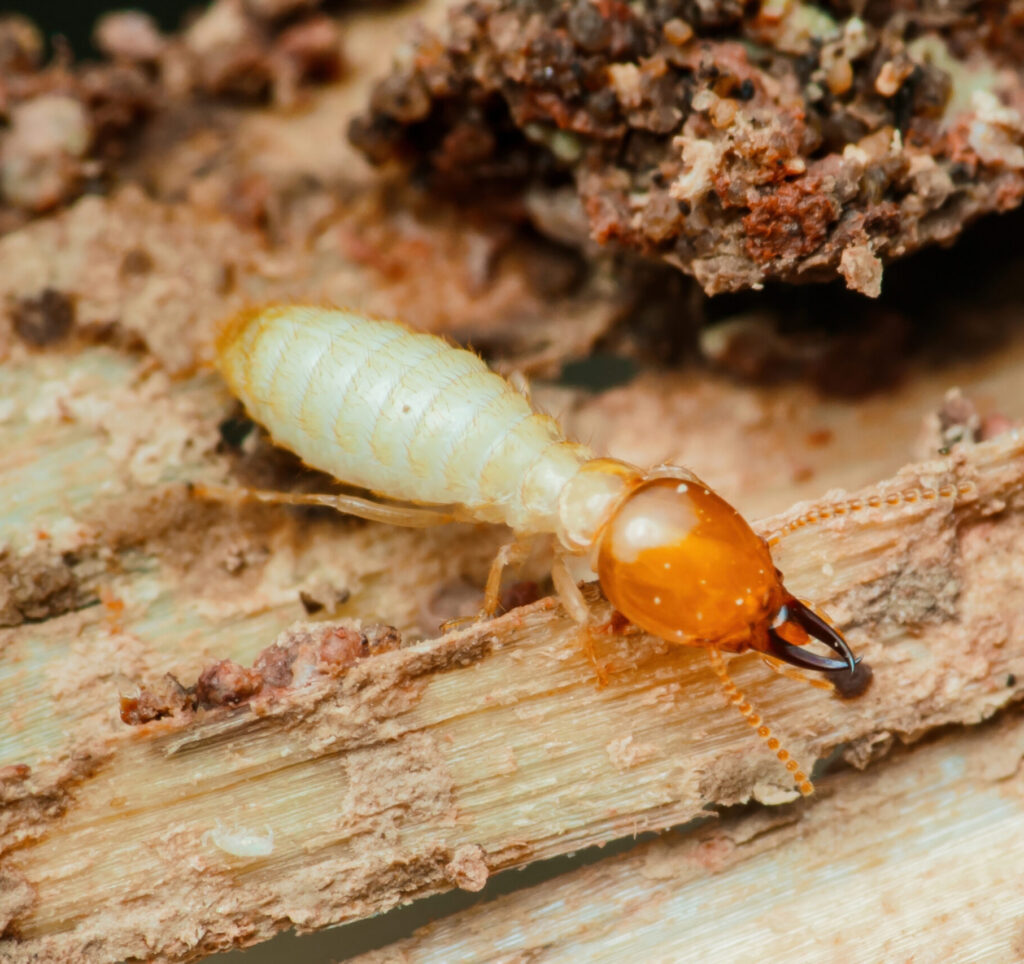
How Much Does Subterranean Termite Treatment Cost?
There is no single nationwide price for termite control. Based on published 2026 cost estimates, homeowners may encounter quotes ranging from several hundred dollars to more than $4,000 depending on the treatment required.
Several current estimates place common treatment methods in approximately these ranges:
- Liquid or soil-barrier treatment: often around 1,000–3,200
- Termite bait systems: commonly around 1,500–3,000
- Localized treatments: potentially below $1,000 when appropriate
- Larger or complex residential treatments: potentially $4,000 or more
Some companies also calculate liquid treatment partly by the linear footage around a home’s foundation.
These figures should be treated as general U.S. benchmarks rather than fixed prices. A professional termite inspection is the best way to determine the actual cost of subterranean termite treatment for a specific property.
What Affects the Cost of Subterranean Termite Treatment?
Several factors can change the final price.
1. Size of the Property
A larger home usually requires more inspection time, treatment material, bait stations, or linear feet of soil treatment. The accessible perimeter around the building also matters.
2. Extent of the Infestation
A small area of activity may require less work than evidence of termite activity across several sections of a property. Inspectors also look for conditions that could allow termites to keep entering the structure.
3. Treatment Method
Liquid treatments, bait systems, and targeted wood treatments involve different materials, installation procedures, and monitoring requirements.
Griggs & Browne, for example, provides termite treatment options that include liquid barriers, bait systems, wood treatments, and ongoing monitoring.
4. Foundation and Accessibility
Basements, crawl spaces, slabs, finished areas, landscaping, decks, porches, and other structural features can affect how easily technicians can reach termite activity and establish a treatment zone.
5. Monitoring and Follow-Up Service
Some termite programs include ongoing inspection or monitoring after the initial treatment. Homeowners comparing quotes should ask whether the price covers only the initial application or also future inspections, bait-station checks, retreatment, or other follow-up services.
Liquid Treatment vs. Termite Bait Systems
Two common approaches to subterranean termite control are liquid treatments and bait systems.
Liquid Barrier Treatments
A liquid termiticide is typically applied to soil around strategic parts of the structure to create a treated zone between subterranean termites and the building.
The amount of product and labor required depends largely on property dimensions, construction type, and accessibility.
Termite Bait Systems
Bait stations are installed around a property and monitored for termite activity. Termites encounter the bait and can transfer the active ingredient through the colony.
Bait programs may involve an initial installation plus ongoing monitoring, so homeowners should compare the total program cost rather than only the initial setup price.
Is the Cost of Subterranean Termite Treatment Worth It?
Unlike pests that are mainly a nuisance, subterranean termites can attack structural wood while remaining largely hidden.
DIY products may kill termites encountered in a visible area without identifying the full colony or all entry points. A professional inspection helps determine where activity exists, what conditions are contributing to the problem, and which treatment strategy is appropriate.
In New England, Griggs & Browne identifies the eastern subterranean termite as the primary termite encountered locally and recommends professional inspection when swarmers, discarded wings, or other signs of activity are found .
How Can Homeowners Reduce Future Termite Risk?
Treatment should be combined with practical prevention. Homeowners can reduce conducive conditions by:
- Correcting plumbing or drainage problems that create excess moisture
- Keeping wood, cardboard, and similar cellulose materials away from foundations
- Avoiding direct wood-to-soil contact where possible
- Maintaining accessible foundation areas for inspection
- Watching for mud tubes, discarded wings, or damaged wood
- Scheduling professional inspections when termite activity is suspected
Prevention does not guarantee termites will never appear, but it can make a property less attractive and help problems get discovered earlier.
FAQs About Subterranean Termite Treatment Cost
It can be. Many published estimates fall around 1,000–3,000 for common residential treatments, but the final cost depends on property size, infestation conditions, treatment type, and follow-up requirements.
Subterranean termites can be difficult to control because the colony usually lives underground while workers travel into a structure to feed. Successful treatment therefore focuses on more than simply killing termites that are visible.
The phrase can refer to the expected protection period of a particular product, treatment program, or warranty, but terms differ between providers. It should not automatically be interpreted as a guarantee that termites cannot return for ten years. Ask exactly what inspections, retreatments, and exclusions are included.
The appropriate method depends on the inspection findings, construction of the property, termite activity, accessibility, and long-term protection goals. A licensed termite professional should inspect the property before recommending treatment.
Get a Local Termite Inspection in Massachusetts, Rhode Island, or Connecticut
National averages can help with budgeting, but your actual subterranean termite treatment cost should be based on the conditions at your property. For homeowners in Southeastern Massachusetts, Cape Cod, Rhode Island, and Connecticut, Griggs & Browne provides local termite inspections and treatment options tailored to the infestation and structure. The company serves communities throughout these areas, including Providence, Plymouth, Fall River, the South Shore, Cape Cod, and surrounding New England communities.
Griggs & Browne has served New England for more than a century and offers liquid barrier treatments, termite bait systems, wood treatments, and ongoing monitoring. Its technicians are trained and licensed, and the company offers prompt inspection availability in many of its service areas.
If you have noticed swarmers, discarded wings, mud tubes, damaged wood, or simply want to know whether termites are threatening your property, don’t rely on a national average alone.
Contact Griggs & Browne to schedule a termite inspection and receive a treatment recommendation and estimate based on your home, location, and actual termite activity.