

Termite Control in Connecticut That Protects Your Home’s Structure
Protect your Connecticut property from costly termite damage with Griggs & Browne, offering Sentricon baiting, liquid barrier treatments, and professional inspections since 1910. Call 800-962-3296 for a free quote.
Termites are the most damaging structural pest in New England, and they work silently. A subterranean colony can feed on your home’s framing for years before any visible sign appears. Nationally, termites cause billions of dollars in property damage annually, and standard homeowners insurance typically does not cover it (Source: NPMA). In Connecticut, high regional termite pressure means nearly every home is at some level of risk.
Griggs & Browne has protected New England homes from termites for over a century. From our Waterford, CT branch, our licensed and trained technicians inspect, treat, and monitor properties statewide, often with same-day or next-day service depending on when your call comes in.
What Is Termite Control?
Question: What is termite control?
Termite control is the professional inspection, treatment, and ongoing monitoring of a property to eliminate an active termite colony and protect against future infestation. Griggs & Browne controls termites using the Sentricon System with Always Active Technology (a baiting system that eliminates the colony) and liquid barrier treatments, supported by regular monitoring to guard your home’s structural integrity long term.
The Termite Threat in Connecticut
Question: What kind of termites are in Connecticut?
Connecticut’s primary termite is the eastern subterranean termite (Reticulitermes flavipes). These termites nest underground and build mud tubes to travel above ground to wood, and they need only about a 1/16-inch gap to enter a structure (Source: Connecticut Agricultural Experiment Station).
New England’s climate and housing make the risk real: – High regional termite pressure, with multiple colonies possible per acre on a given property. – Spring swarms, when winged reproductives emerge, are often the first visible warning sign. – Moisture-prone areas like damp basements, crawlspaces, and wood-to-soil contact attract colonies. – Older and wood-framed homes, common across Connecticut, offer abundant cellulose to feed on.
Signs of Termites Connecticut Homeowners Should Watch For
Question: What are the warning signs of termites?
The clearest signs are mud tubes on foundation walls, swarming winged insects (especially in spring), discarded wings, and wood that sounds hollow when tapped.
Watch for: – Pencil-width mud tubes along foundations, sill plates, or crawlspace walls – Swarmers or shed wings near windows and doors in spring – Blistered, hollow-sounding, or crumbling wood – Tight-fitting doors or windows and buckling paint from moisture damage – Frass or fine debris near damaged wood
If you see any of these, call for an inspection promptly. Termites cause more damage the longer they go untreated.
Our Connecticut Termite Treatment Options
- Sentricon System with Always Active Technology Griggs & Browne is proud to offer this leading baiting system, installed by certified specialists. Stations are placed in the ground around the structure, typically every 10 to 20 feet, and each holds enough bait to eliminate an entire colony. Always Active means the bait is working around the clock, all year.
- Liquid Barrier Treatments For new construction, pool installations, additions, and commercial jobs, we apply liquid termiticide barriers that create a protective zone against subterranean termites.
- Above-Ground Bait Stations For active interior issues, above-ground stations target termites that have already reached and damaged the structure.
- Inspection and Monitoring Every treatment plan includes professional inspection and ongoing monitoring so protection holds over time.
Baiting vs Liquid Barrier: Which Termite Treatment Is Right?
Factor | Sentricon Baiting | Liquid Barrier |
|---|---|---|
Best for | Existing homes, colony elimination | New construction, pools, additions, commercial |
How it works | Colony consumes bait and is eliminated | Chemical barrier blocks entry |
Disruption | Minimal, in-ground stations | Requires trenching or treatment around structure |
Monitoring | Continuous, station-based | Periodic re-inspection |
Ongoing protection | Year-round with Always Active | Barrier degrades over time, needs renewal |
Your technician recommends the right approach after inspecting your property’s construction, moisture conditions, and infestation status.
Termite Inspections for Connecticut Real Estate
Buying or selling a home in Connecticut often requires a wood-destroying insect (WDI) report. Griggs & Browne provides home inspections and certified insect reports through our inspection services, giving buyers, sellers, and agents documented, professional evaluations. Catching termite activity before closing protects both the transaction and the buyer’s investment.
Why Choose Griggs & Browne for Termite Control in CT
- Since 1910. Over a century protecting New England homes from termites.
- Sentricon certified specialists. The leading baiting system, installed by trained pros.
- Fast response. Same-day or next-day service depending on call timing.
- Local Connecticut branch. Waterford-based technicians who know regional termite pressure.
- Inspection and WDI reports. Documented evaluations for homeowners and real estate.
- Ongoing monitoring. Protection that continues after the initial treatment.
Connecticut customers highlight thorough, professional service and clear communication. On Birdeye, a Waterford client described their technician as “professional, timely, and friendly,” adding, “We couldn’t ask for a better partnership.” (Source: Birdeye, Griggs & Browne Waterford CT)
What Costly Mistake Do Homeowners Make With Termites?
Question: What costly mistake do homeowners make with termites?
The most expensive mistake is skipping inspections and waiting for visible damage. Because subterranean termites feed silently for years, homeowners often discover them only after significant structural harm has occurred, and repairs can run into the thousands or tens of thousands of dollars, generally uninsured (Source: NPMA). A routine termite inspection, or a monitoring plan, costs a small fraction of major structural repair and catches colonies before they do serious damage.
What Happens During a Termite Inspection
Question: What does a termite inspection involve?
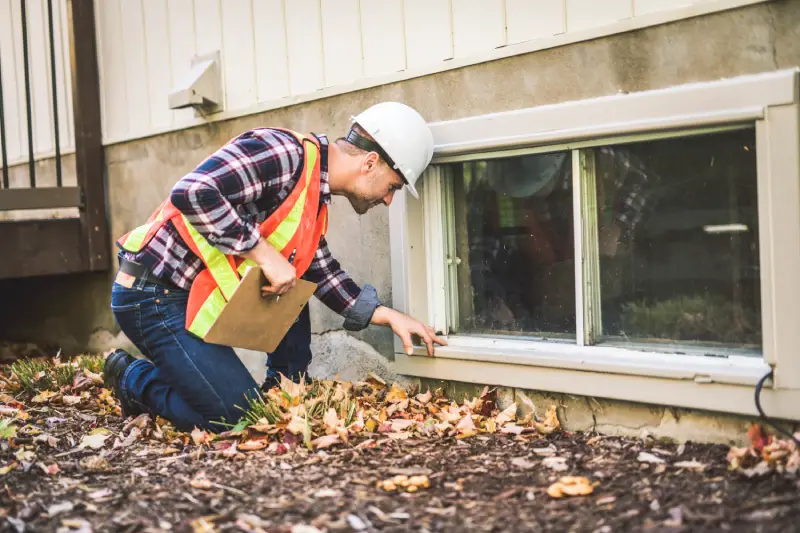
A termite inspection is a thorough evaluation of your property for active termites, damage, and conducive conditions. During a Griggs & Browne inspection, the technician:
- Examines the foundation, sill plates, and crawlspaces for mud tubes and entry points
- Checks basements, framing, and moisture-prone areas for damaged or hollow-sounding wood
- Looks for swarmers, discarded wings, and frass
- Identifies conducive conditions such as wood-to-soil contact and excess moisture
- Documents findings and recommends the appropriate treatment or monitoring plan
For real estate, this evaluation can be issued as a certified wood-destroying insect report.
Termite Prevention Checklist for Connecticut Homes
Question: How do I prevent termites?
Reducing moisture and wood-to-soil contact makes your home far less attractive to subterranean termites. Use this checklist:
- Keep firewood, mulch, and lumber away from the foundation
- Fix leaks and direct downspouts and grading away from the house
- Reduce basement and crawlspace humidity with proper ventilation
- Eliminate wood-to-soil contact around decks, porches, and siding
- Keep gutters clean so water does not pool near the foundation
- Schedule regular professional inspections, especially in spring
- Consider a monitoring or baiting system for continuous protection
Prevention lowers risk, but it does not replace professional monitoring in a high-pressure region like New England.
Key Facts: Termites in Connecticut
- The eastern subterranean termite is New England’s primary termite species.
- Termites need only about a 1/16-inch gap to enter a home.
- Termites cause billions in US property damage annually, typically uninsured (Source: NPMA).
- Spring swarms are often the first visible sign of a colony.
- Sentricon stations are installed roughly every 10 to 20 feet around a structure.
- New England has high termite pressure, with multiple colonies possible per acre.
Frequently Asked Questions
Cost depends on the treatment type, property size, and infestation extent. We provide a free quote after inspecting your property so the plan matches your situation.
Depending on when you call, we often provide same-day or next-day service. Colony elimination through baiting takes longer, but protection begins right away.
Neither is universally better. Sentricon baiting excels at eliminating colonies around existing homes, while liquid barriers suit new construction and certain commercial jobs. Your technician recommends the right fit after inspection.
Given New England’s high termite pressure, most homes benefit from monitoring or protection. Prevention is far cheaper than repairing structural damage.
Standard policies generally do not cover termite damage, which is why prevention and early detection matter so much (Source: NPMA).
Yes. We offer home inspections and certified wood-destroying insect reports commonly needed in Connecticut real estate transactions.
An annual inspection is a sound baseline in high-pressure regions like New England, and monitoring plans provide continuous coverage between inspections.
Connecticut Service Area
Griggs & Browne provides termite control and inspections throughout Connecticut from our Waterford branch, serving New London County and communities statewide. Call 800-962-3296 to schedule.
Protect Your Home Before Termites Cost You Thousands
Termite damage is expensive, silent, and usually uninsured. Call Griggs & Browne at 800-962-3296 for a free quote, or contact us online to schedule a termite inspection. You get Sentricon-certified specialists, professional WDI inspections, and more than a century of New England experience.