

How to Get Rid of Stink Bugs in Your New England Home This Fall
Understanding How to Get Rid of Stink Bugs Before They Settle Indoors
Few things are more frustrating than seeing stink bugs gathering around windows or suddenly appearing inside your home as the weather cools. If you’re trying to figure out how to get rid of stink bugs, it’s important to understand that they’re not moving indoors by accident. As temperatures begin to drop, these seasonal pests search for warm, protected places where they can remain until spring.
Why Stink Bugs Invade Homes in the Fall
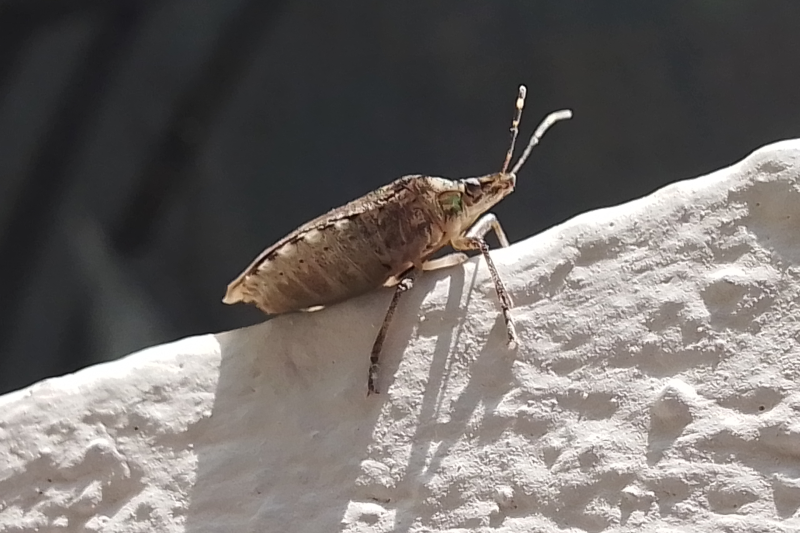
Unlike many household pests that enter homes looking for food, brown marmorated stink bugs are primarily seeking shelter.
As one of the most common overwintering pests, they begin looking for protected spaces before colder weather arrives. Homes provide the warmth and protection they need to survive the winter months, often allowing them to remain hidden until temperatures rise again.
Some of the most common places stink bugs enter include:
- Window and door gaps
- Cracks around siding and trim
- Utility and pipe openings
- Attic vents
- Roofline openings
- Gaps around exterior fixtures
Once inside, they often gather in attics, wall voids, and other quiet areas where they’re unlikely to be disturbed.
How to Get Rid of Stink Bugs
Successful stink bug treatment focuses on preventing stink bugs from getting indoors before they establish places to overwinter.
Seal Exterior Entry Points
The smallest openings can provide easy access for stink bugs searching for shelter.
Inspect your home’s exterior and seal:
- Window and door gaps
- Utility penetrations
- Foundation cracks
- Openings around vents
- Damaged weatherstripping
Reducing these access points helps limit the number of stink bugs entering your home during the fall.
Inspect the Outside of Your Home Regularly
Stink bugs often gather on sunny exterior walls before moving inside.
Checking your home’s exterior throughout the fall can help you spot increased activity around windows, siding, rooflines, and other common entry areas before more insects make their way indoors.
Avoid Crushing Stink Bugs Indoors
Many homeowners’ first instinct is to crush a stink bug after finding one inside.
However, doing so can release the odor they’re known for. Carefully removing the insect without crushing it helps avoid unpleasant smells inside the home.
Focus on Fall Pest Prevention
Because stink bugs enter homes seasonally, fall pest prevention is often the most effective approach.
Addressing potential entry points before temperatures drop can significantly reduce the number of overwintering pests that find their way indoors each year. Sealing exterior gaps and inspecting your home’s exterior before cooler weather arrives can help limit seasonal invasions before they begin.
When Professional Stink Bug Treatment Makes Sense
Even with careful prevention, some stink bugs may still find their way indoors before exterior openings are identified or sealed. If you’re continuing to find stink bugs throughout the fall and winter, there may already be larger numbers sheltering inside your home.
Consider scheduling a professional inspection if you notice:
- Large numbers of stink bugs around windows or doors
- Repeated indoor sightings throughout the fall and winter
- Stink bugs appearing in multiple rooms
- Ongoing activity despite sealing visible openings
- A seasonal stink bug infestation returning year after year
Professional stink bug treatment focuses on identifying how stink bugs are entering your home and addressing recurring seasonal activity before it becomes an ongoing problem.
Frequently Asked Questions
Stink bugs often become noticeable indoors after temperatures begin cooling outside. Although they may have entered your home weeks earlier, warmer indoor temperatures can cause them to become active, leading to unexpected sightings throughout the fall and winter.
Stink bugs commonly hide inside wall voids, attics, crawl spaces, around windows, and other quiet areas where they’re unlikely to be disturbed until warmer conditions return.
Brown marmorated stink bugs typically enter homes to spend the winter rather than reproduce indoors. While they may remain hidden until spring, they generally don’t establish breeding populations inside residential structures.
Unlike termites or rodents, stink bugs don’t damage wood or structural materials. They’re primarily considered a nuisance pest because of their tendency to gather indoors during cooler weather.
Stink bugs that entered your home earlier in the season may remain hidden for weeks before becoming active. Removing the insects you see doesn’t always eliminate others already sheltering inside.
Yes. Window and door gaps, damaged weatherstripping, attic vents, utility openings, and small cracks around the home’s exterior can all provide entry points for stink bugs seeking winter shelter.
Yes. Homeowners throughout Massachusetts, Rhode Island, Connecticut, and Cape Cod often notice increased stink bug activity during the fall as these overwintering pests search for protected places to spend the colder months.
Yes. If a home continues to provide easy access through exterior openings, stink bugs may return season after season. Regular inspections and fall pest prevention measures can help reduce recurring activity.
Not always, but it’s possible. Because stink bugs often gather in wall voids, attics, and other protected spaces while overwintering, seeing one indoors may indicate that others have already entered the home. A professional inspection can help determine the extent of seasonal activity.
Griggs & Browne helps homeowners throughout Massachusetts, Rhode Island, Connecticut, and Cape Cod reduce seasonal stink bug infestations with professional pest management solutions tailored to New England’s fall pest activity.