

How to Get Rid of Carpenter Ants: A New England Homeowner's Guide
Understanding How to Get Rid of Carpenter Ants Before They Cause Bigger Problems
Seeing large black ants wandering through your home is easy to dismiss at first — until they keep showing up day after day.
Wondering how to get rid of these carpenter ants?
It’s important to act sooner rather than later. Unlike many other ants, carpenter ants can establish hidden nests inside damp or damaged wood, making early identification an important step toward protecting your home.
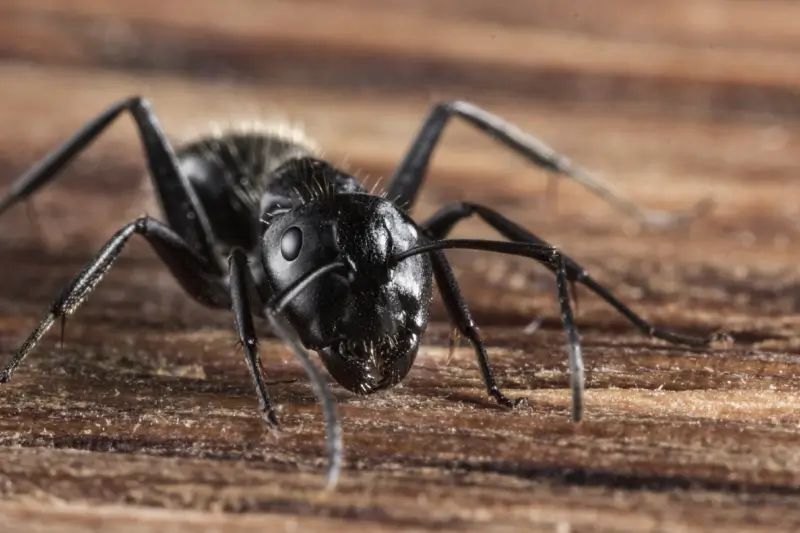
How to Tell If You Have Carpenter Ants
Not every ant you see indoors is a carpenter ant. Fortunately, there are several signs that may indicate these wood-nesting insects have made themselves at home.
Watch for common carpenter ant activity such as:
- Large black or dark-colored ants inside the home
- Small piles of sawdust frass beneath walls, windows, or wooden structures
- Increased ant activity around damp or damaged wood
- Rustling sounds coming from inside walls or wood in quiet conditions
- Winged ants appearing indoors during certain times of the year
While these signs don’t always confirm a nest, they often suggest it’s time for a closer inspection.
Why Carpenter Ants Choose Certain Homes
Unlike termites, carpenter ants don’t eat wood. Instead, they excavate it to create nesting galleries, preferring wood that’s been softened by excess moisture.
Conditions that commonly attract carpenter ants include:
- Moist or water-damaged wood
- Leaking roofs or plumbing
- Poor ventilation in crawl spaces or attics
- Tree branches touching the home
- Firewood stored against exterior walls
How to Get Rid of Carpenter Ants
Successful carpenter ant treatment involves more than eliminating the ants you can see. The goal is to locate nesting activity, reduce conditions that attract carpenter ants, and prevent new colonies from becoming established.
Reduce Moisture Around the Home
Because carpenter ants prefer damp wood, improving moisture control is one of the most effective preventative steps.
Inspect your home for:
- Plumbing leaks
- Roof leaks
- Poor drainage
- Damp crawl spaces
- Areas where wood remains wet for extended periods
Allowing wood to dry helps make it less attractive for nesting.
Inspect Wooden Structures Regularly
Pay close attention to areas where wood is exposed to moisture or weather.
Check around:
- Window and door frames
- Decks and porches
- Rooflines
- Exterior trim
- Wooden steps
Finding damaged wood early can help reduce opportunities for carpenter ants to establish a carpenter ant nest.
Trim Vegetation Away From the House
Tree limbs, shrubs, and dense vegetation can create convenient pathways for carpenter ants moving around your property.
Keeping branches trimmed away from the home’s exterior helps reduce easy access while also improving airflow around the structure.
Understand Why DIY Treatments Often Miss the Nest
Many homeowners attempt to kill carpenter ants after spotting them indoors. While eliminating visible ants may provide temporary relief, it doesn’t necessarily address the hidden colony.
Because carpenter ants often nest inside walls, damp wood, or other concealed spaces, treating only the ants you see may leave the carpenter ant nest untouched.
When Professional Carpenter Ant Treatment Makes Sense
If carpenter ant activity continues despite your prevention efforts, there may already be an established colony somewhere on the property.
Consider scheduling a professional inspection if you notice:
- Repeated carpenter ant sightings indoors
- Fresh sawdust frass beneath wooden structures
- Ant activity around damp or damaged wood
- Winged ants appearing inside the home
- Ongoing activity despite DIY treatments
Professional carpenter ant treatment begins with identifying nesting locations and the conditions supporting the infestation. Depending on the situation, treatment may include targeted applications, ant baiting, and recommendations to improve moisture control and help reduce future activity.
Why Carpenter Ants Can Return
Many homeowners assume the problem has been solved once the visible ants disappear. However, if the nest remains active or the conditions attracting carpenter ants haven’t changed, new activity may continue.
Long-term carpenter ant prevention focuses on addressing both the colony and the moisture conditions that allow carpenter ants to thrive.
Frequently Asked Questions
Carpenter ants are typically larger than many other household ants and are often black or dark brown in color. If you’re also seeing sawdust frass, winged ants, or activity around damp wood, it’s worth having the insects properly identified.
No. Carpenter ants don’t consume wood. They excavate it to create smooth nesting galleries, which is why they’re commonly associated with wood damage in moisture-affected areas.
Sawdust frass often appears as small piles of coarse, wood-like shavings beneath nesting sites. Unlike ordinary sawdust, it may also contain small insect fragments produced as carpenter ants clean out their galleries.
Over time, carpenter ants can contribute to wood damage by expanding their nesting galleries inside damp or weakened wood. Early treatment helps limit the extent of structural concerns.
Yes. Carpenter ant colonies may establish satellite nests in addition to a primary nest, particularly when conditions are favorable. That’s one reason recurring carpenter ant activity may require a thorough inspection to locate all areas of nesting.
Ant baiting is a treatment approach designed to allow foraging ants to carry bait back to the colony, helping target ants beyond those that are immediately visible.
Yes. Homes throughout Massachusetts, Rhode Island, Connecticut, and Cape Cod can experience carpenter ant activity, particularly where moisture-damaged wood provides suitable nesting conditions.
Homeowners throughout Massachusetts, Rhode Island, Connecticut, and Cape Cod often notice increased carpenter ant activity during the warmer months, particularly in spring and early summer when colonies become more active and winged ants may appear.
Not always, but repeated sightings of carpenter ants, especially indoors, may indicate a nearby carpenter ant nest. A professional inspection can help determine whether the activity is coming from an established colony.
Griggs & Browne helps homeowners throughout Massachusetts, Rhode Island, Connecticut, and Cape Cod protect their homes with professional carpenter ant treatment and long-term pest management solutions.