

Pest Control in Connecticut — Trusted Since 1910
Pests don’t wait. Neither do we. Connecticut’s most experienced pest removal experts are ready — same or next-day service available across CT. Call Griggs & Browne and get your home protected today.
Connecticut Homes Deserve More Than a Quick Fix
If you’ve spotted ants trailing through your kitchen, heard scratching in the walls at night, or noticed unexplained wood damage near your foundation, you already know — pest problems in Connecticut don’t disappear on their own. They escalate.
Connecticut’s climate creates near-perfect conditions for year-round pest pressure. Warm, humid summers fuel mosquito and tick populations. Mild coastal temperatures keep termites active longer than homeowners expect. And as temperatures drop, mice, rats, and other rodents push indoors looking for warmth and food.
Griggs & Browne has been protecting Connecticut homes, CT, from exactly these threats since 1910 — over a century of boots-on-the-ground experience across Waterford, New London, Hartford, New Haven, Stamford, and communities statewide. As a licensed local pest control company in Connecticut, we hold CT Business License B1116 and operate under strict state regulatory standards, so you can trust that every treatment is legal, licensed, and safe for your family and pets.
The right approach isn’t just spraying and leaving. It’s understanding why pests are there, sealing the conditions that invite them, and preventing re-entry — that’s what separates lasting protection from a temporary fix.
What Is Pest Control in Connecticut?
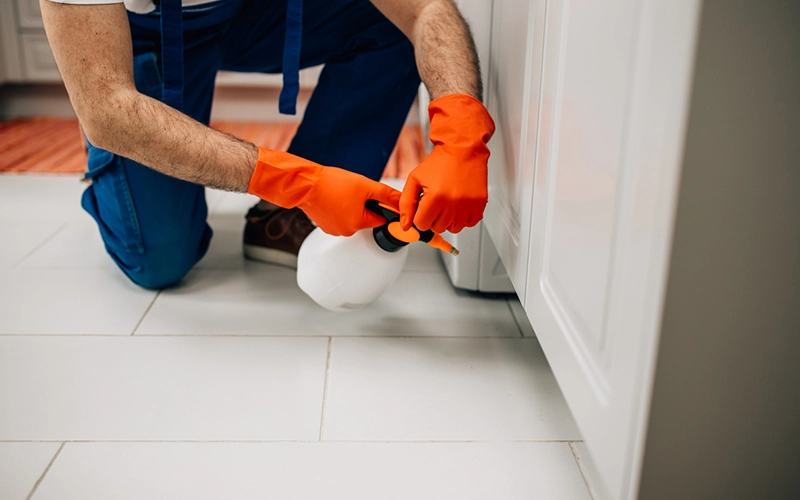
Pest control in Connecticut is the professional management and elimination of insects, rodents, and other pests that threaten the health, safety, or structural integrity of homes and businesses in the state. It combines inspection, targeted treatment using EPA-approved methods, and ongoing prevention—tailored to Connecticut’s specific pest species and seasonal patterns.
Our Connecticut Exterminator Services
Griggs & Browne offers a complete range of residential pest control in CT and commercial exterminator services. Every treatment plan starts with a thorough on-site inspection because no two pest problems—and no two properties—are the same.
General Pest Control & Ant Control Services, CT
We eliminate common household invaders, including ants (including carpenter ants), cockroaches, spiders, silverfish, stink bugs, earwigs, and stinging insects like wasps and hornets. Our dedicated ant control services in CT address both surface-level foragers and the hidden colonies behind your walls. Carpenter ants are among the most destructive insects in New England—capable of hollowing out structural wood while going completely unnoticed for months.
Using Integrated Pest Management (IPM), our technicians don’t just treat the symptom—they identify and correct the root conditions that allow pests to thrive.
Worried about a growing ant problem at home? Our pest removal experts in CT can identify the species and stop the infestation at the source.
Rodent Control — Mouse Exterminator, Connecticut
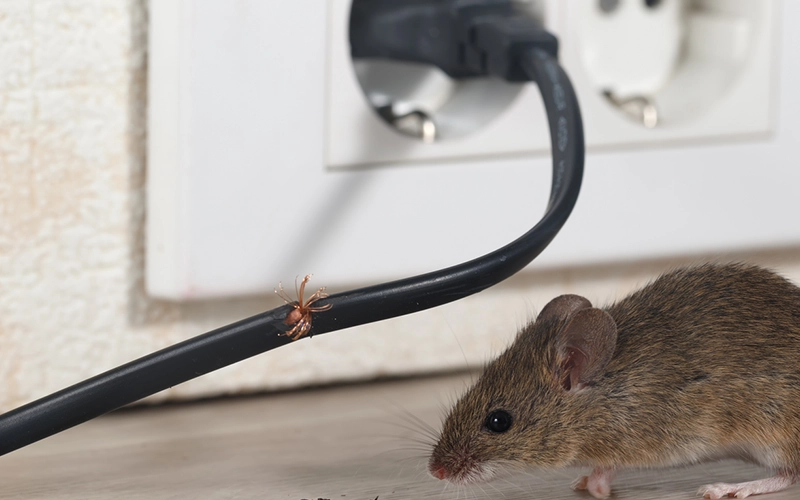
Mice and rats are more than a nuisance — they chew through wiring, contaminate food, and carry disease. If you need a reliable mouse exterminator in Connecticut, Griggs & Browne’s rodent removal program identifies active entry points, removes existing populations, and installs exclusion measures to prevent reinfestation. Norway rats and deer mice are particularly common in CT’s urban centers and wooded suburbs.
Termite Control
Termites cause over $5 billion in structural damage across the U.S. every year, according to the National Pest Management Association. A termite colony can enter your home through a gap as small as 1/16 of an inch and do massive damage before you see a single sign. Our termite program includes liquid barrier treatments, Sentricon bait station systems, and ongoing monitoring to catch activity early.
Worried about your home’s structural health? Our team can walk you through what to look for.
Tick Control, Connecticut & Mosquito Management
Lyme disease is endemic to Connecticut. Blacklegged deer ticks remain active at temperatures as low as 40°F, meaning tick exposure is a real concern for most of the year, not just summer. Our tick control in Connecticut runs monthly treatments from May through October, targeting harborage areas while carefully avoiding flowering plants, edible gardens, and water sources. The same program addresses mosquitoes — reducing populations at the source so your yard stays usable all season.
Connecticut residents living near wooded areas, especially in towns like Lyme, Old Saybrook, Groton, and East Haddam, face elevated tick risk due to high deer populations.
Bed Bug Treatment
Bed bugs are one of the hardest pest problems to solve without professional help. They hide in mattress seams, wall voids, and furniture joints — and a single female can lay hundreds of eggs. Our bed bug treatment protocols are fast, discreet, and effective, with follow-up visits included to confirm full elimination.
Commercial Pest Management
Businesses in Connecticut face unique pest liability. A single rodent sighting or insect infestation can damage your reputation, violate health codes, and cost you customers. We offer customized commercial pest management programs for restaurants, property managers, office buildings, retail spaces, and multi-family housing — with flexible scheduling, detailed service reports, and discreet technician visits.
How Integrated Pest Management Works
Most people think pest control means spraying chemicals and waiting. At Griggs & Browne, we practice Integrated Pest Management (IPM) — the foundation of truly eco-friendly pest control in Connecticut. It’s a science-backed approach endorsed by the EPA that treats pest problems at the source, not just the surface.
Here’s what that means in practice:
- Inspection first. Every visit begins with a full property assessment — interior and exterior — to identify active pests, harborage areas, and entry points.
- Root cause correction. Our technicians flag conditions like leaky gutters, wood-to-soil contact, overgrown shrubs touching the house, and unsecured trash that silently invite infestations.
- Targeted treatment. We apply EPA-approved treatments to the specific areas that need them — not a whole-house spray that puts your family and pets at unnecessary risk.
- Ongoing monitoring. Pest pressure changes with the seasons. Our maintenance programs keep your home protected year-round.
This approach means fewer chemicals, longer-lasting results, and a home that actually stays pest-free — not just temporarily treated.
Why Connecticut Homeowners Choose Griggs & Browne
There’s no shortage of pest control companies operating in Connecticut. Here’s what makes us the local pest control company Connecticut residents have trusted for over a century:
Over 100 years of New England experience.
Founded in 1910, Griggs & Browne has weathered Connecticut’s toughest pest seasons — including the hurricane aftermath of the 1930s, when our technicians worked around the clock helping residents combat infestations after the storm. That history isn’t just tradition. It’s proof of consistency.
Licensed and rigorously trained technicians.
Our team holds active Connecticut certifications and completes regular training and testing to stay current with the latest pest control technologies. We don’t cut corners with certification.
Eco-friendly pest control in Connecticut — family and pet safe.
We use EPA-approved products and environmentally sound methods — protecting your family, pets, and the surrounding ecosystem. Our commitment to eco-friendly pest control in Connecticut means you never have to choose between effective treatment and a safe home environment.
Same or next-day service.
Pest problems don’t wait. Neither do we. In most cases, we can have a technician at your Connecticut home within 24 hours of your call.
As seen on NBC10’s Studio 10.
Our expertise has been featured on NBC10 Rhode Island, where our team shared guidance on tick and mosquito management, termite prevention, and seasonal pest protection for New England homeowners.
Want to know more about who you’re letting into your home? Meet our team and read what Connecticut customers say about their experience with us on our testimonials page.
The Pest Most Connecticut Homeowners Underestimate
Most people call a pest removal expert in CT when they see something. The problem? The pests you don’t see are often the most destructive.
Subterranean termites live underground and tunnel silently into the wood framing of your home — often for years — before showing any surface-level evidence. A mature colony can number in the millions. By the time you notice bubbling paint, hollow-sounding walls, or mud tubes near your foundation, significant structural damage may already have occurred.
Connecticut’s coastal areas — particularly towns along the shoreline from Greenwich to Stonington — face elevated termite and carpenter ant risk due to persistent moisture. Homeowners in these regions should consider proactive annual termite inspections as a baseline, not an option.
The same logic applies to rodents. Mice can squeeze through a gap the size of a dime. By the time you hear them, they’ve likely been nesting in your walls for weeks. Early detection through professional inspection is far less costly than emergency remediation.
Have questions about what pests are most common in your part of Connecticut? Visit our FAQs page for answers to the most common residential pest control. CT questions we receive from homeowners across the state.
What Homeowners Get Wrong About Pest Control
Store-bought sprays and DIY traps can suppress visible pest activity—but they rarely eliminate the source. Here are the three mistakes we see most often from Connecticut homeowners who’ve tried to handle it themselves:
Treating symptoms, not causes.
Killing the ants you can see doesn’t address the colony. Without finding and treating the queen and nest, the problem returns within days.
Using the wrong product for the pest.
A general pesticide that works on cockroaches may have zero effect on carpenter ants. Correct identification is step one — and it requires trained eyes.
Ignoring entry points.
Even after a successful treatment, re-infestation happens fast if gaps around pipes, voids under doors, and foundation cracks aren’t sealed. Our IPM approach includes a structural checklist at every visit.
Serving Communities Across Connecticut
Griggs & Browne’s Connecticut operations are based at 152 Cross Road, Waterford, CT 06385. We provide residential pest control in CT and commercial Connecticut exterminator services throughout New London County, Hartford, New Haven, Fairfield County, Middlesex County, and surrounding communities, including Waterford, Norwich, Groton, Old Lyme, East Haddam, Glastonbury, and Mystic.
If you’re unsure whether we service your area, call us directly at 800-962-3296 — chances are, we do.
Don't Wait for the Problem to Get Worse
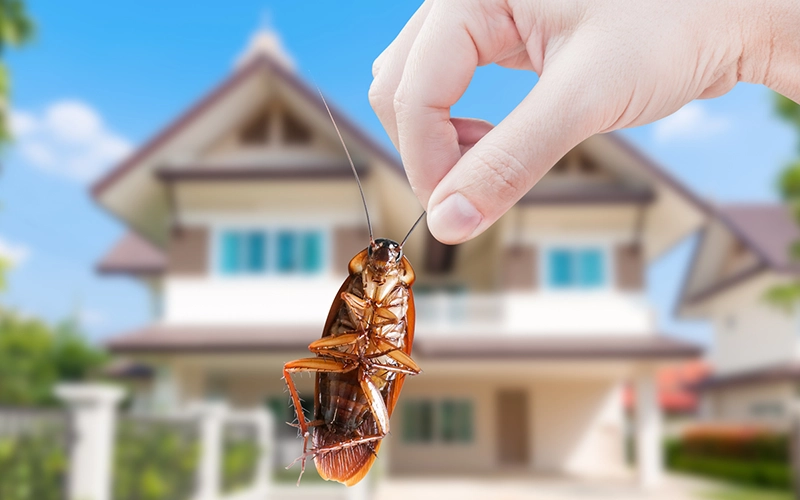
Pest infestations rarely resolve themselves. Every week you wait, populations grow, damage increases, and the cost of treatment goes up.
Connecticut’s pest season is active year-round — from spring ant invasions and summer tick surges to fall rodent intrusions and winter termite activity. The best time to protect your home is before you have a problem. The second-best time is right now.
📞 Call 800-962-3296 — Speak With a Connecticut Pest Removal Expert Today
Mon–Fri: 8 AM–5 PM | Same or next-day service available in most CT areas
People Also Ask About Pest Control in Connecticut
Pest control in Connecticut refers to the professional inspection, treatment, and prevention of pests — including insects, rodents, termites, and wildlife — that threaten homes and businesses. Licensed exterminators use EPA-approved methods tailored to CT’s climate and pest species. Connecticut requires all pest control businesses to hold a state-issued license.
The cost of pest control in Connecticut typically ranges from $150–$500 for a one-time treatment, depending on the pest type, property size, and severity of infestation. Ongoing maintenance plans — which provide better long-term protection — often run $40–$100 per month. Termite treatments may cost more due to the complexity of the work involved.
Most pest control treatments show results within 24–72 hours for insects like ants and cockroaches. Rodent programs may take 1–2 weeks to see full results as populations decline. Termite treatments can take several weeks to eliminate an entire colony, especially with bait-based systems.
Any homeowner, renter, property manager, or business owner in Connecticut can benefit from professional pest control — particularly those living near wooded areas, water, or in older homes with gaps in the foundation or siding. Properties in high-tick zones like Lyme, East Haddam, and Groton are especially advised to have seasonal programs in place.
Yes, when performed by a licensed and trained exterminator. Griggs & Browne uses EPA-approved, environmentally sound products and follows strict application protocols. Residents and pets are advised on any temporary precautions, such as staying off treated outdoor surfaces for a short time after application.
Connecticut homeowners most frequently deal with ants (including carpenter ants), subterranean termites, mice and Norway rats, deer ticks, mosquitoes, bed bugs, cockroaches, stinging insects (wasps and hornets), spiders, and stink bugs. Coastal areas see higher rates of termite and carpenter ant activity due to elevated moisture.
Signs you need a professional pest inspection include droppings in cabinets or along baseboards, unexplained wood damage, hollow-sounding walls, visible mud tubes near your foundation, bites or rashes on skin after sleeping, insect nests near entry points, or simply not having had an inspection in over a year. Annual inspections are recommended for Connecticut homeowners.
For most Connecticut homes, quarterly pest control treatments provide reliable protection throughout the year. Homes in high-risk areas — near wooded land, water, or with previous infestation history — may benefit from monthly or bi-monthly service. Termite monitoring should be conducted at a minimum once per year.
Integrated Pest Management (IPM) is a science-based approach to pest control that combines inspection, targeted treatment, environmental modification, and prevention to manage pests with minimal chemical use. The EPA endorses IPM as the most effective and environmentally responsible pest control strategy. Griggs & Browne uses IPM principles on every service visit.
In most cases, standard homeowners’ insurance in Connecticut does not cover pest control or pest-related damage, as it is considered a maintenance issue. However, some policies may cover sudden and accidental structural damage caused by pests. Check with your insurer directly, and consider proactive pest management to avoid costly damage that insurance won’t cover.
Look for a company with a valid CT state pest control license, trained and certified technicians, a clear service guarantee, transparent pricing, and verifiable local reviews. Companies with long operational histories in Connecticut — like Griggs & Browne, operating since 1910 — offer the benefit of deep local knowledge and a proven track record.
The most effective prevention measures include sealing gaps around pipes and foundations, eliminating standing water, storing firewood away from the house, keeping gutters clear of debris, using sealed containers for food and trash, and scheduling regular professional inspections. Griggs & Browne provides a detailed IPM checklist at every visit to help homeowners stay ahead of pest pressure.